Predator hunting at night demands every advantage you can get. Thermal optics have transformed the sport, letting hunters spot coyotes and hogs at distances that would have been impossible just a decade ago.
Why Thermal?
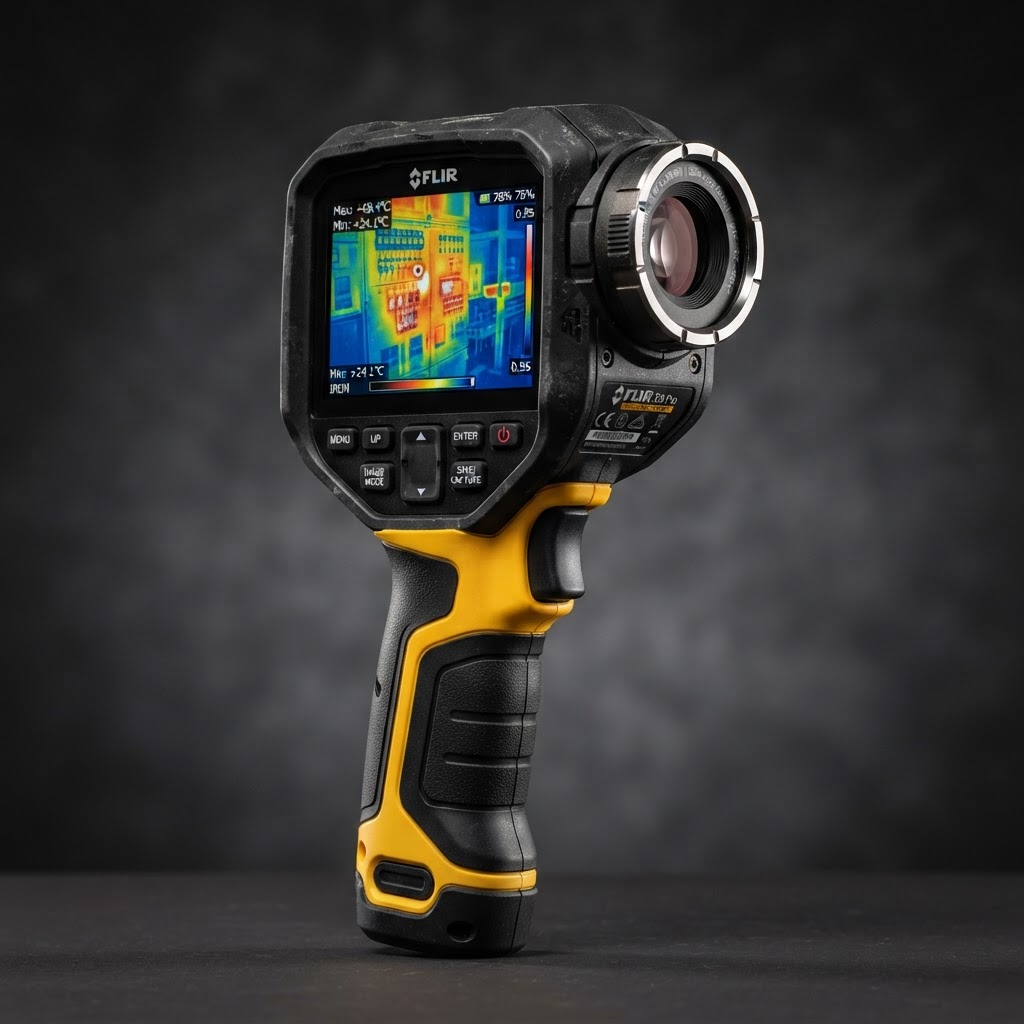
Thermal imagers detect heat signatures, not light. This means they work in total darkness, through light brush, and in foggy or dusty conditions where traditional night vision struggles. For predator hunting, where targets are often partially concealed and moving quickly, thermal is a game-changer.
Sensor Resolution: 256 vs 384 vs 640
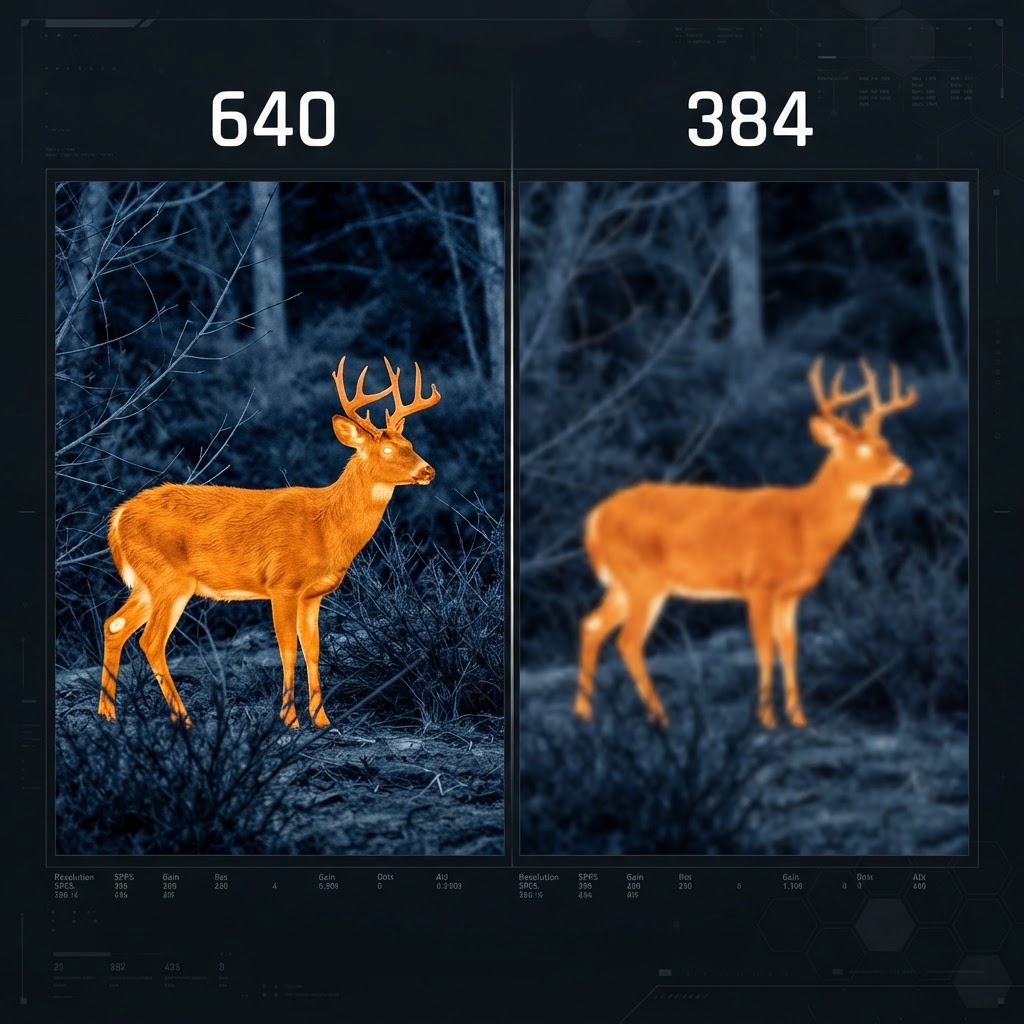
The sensor is the heart of any thermal optic. Higher resolution means a more detailed image and a longer detection range, but it also means a higher price tag.
- 256×192: Entry-level. Good for close-range hog hunting (under 150 yards). Budget-friendly.
- 384×288: The sweet spot for most predator hunters. Detection ranges of 400-700 yards depending on the lens. Balances price and performance.
- 640×480: Premium. Detection ranges of 800+ yards with crisp image clarity. Worth it if you hunt open terrain.
Detection Range vs Recognition Range
This is where many beginners get confused. Detection range is the distance at which you can see something is there. Recognition range — the distance at which you can identify the animal — is typically 40-60% of the detection range. A scope that detects at 800 yards may only let you recognize a coyote at 400 yards.
Mounting Options
n
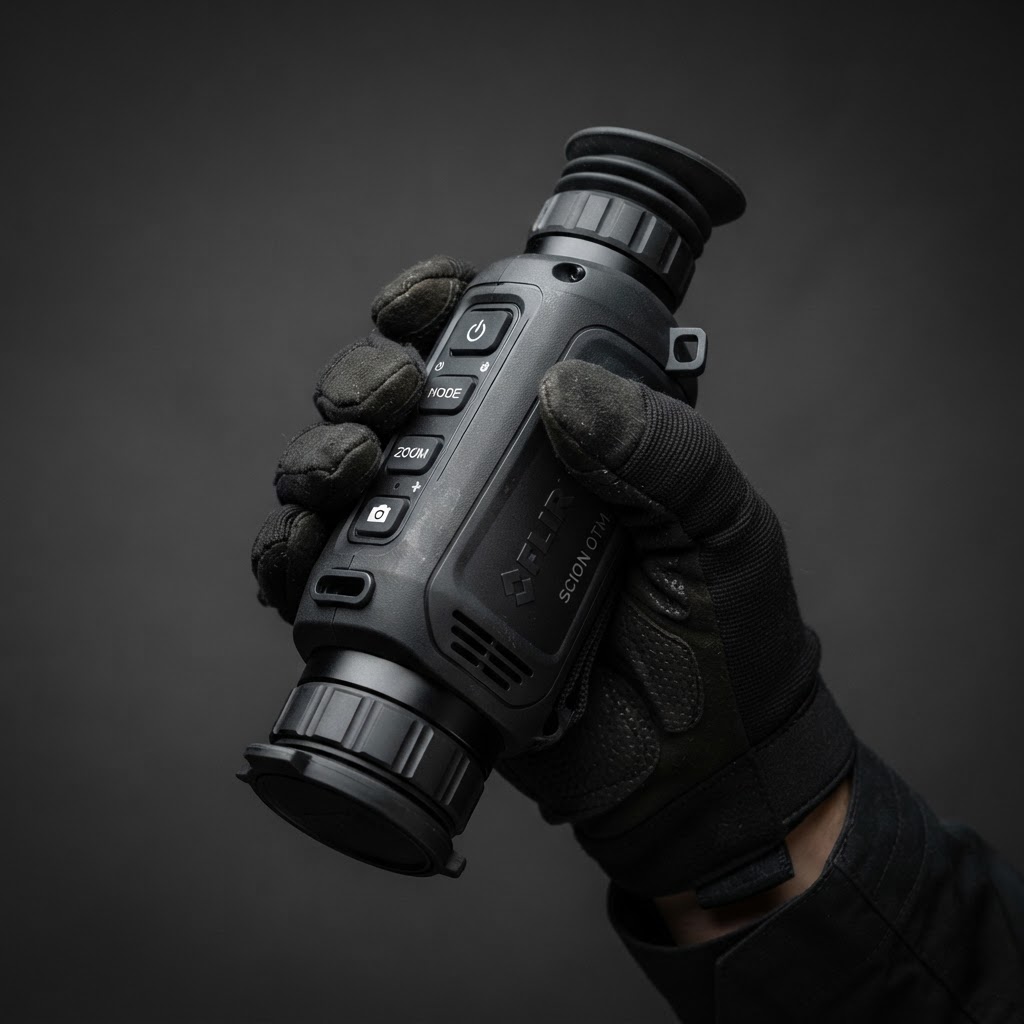
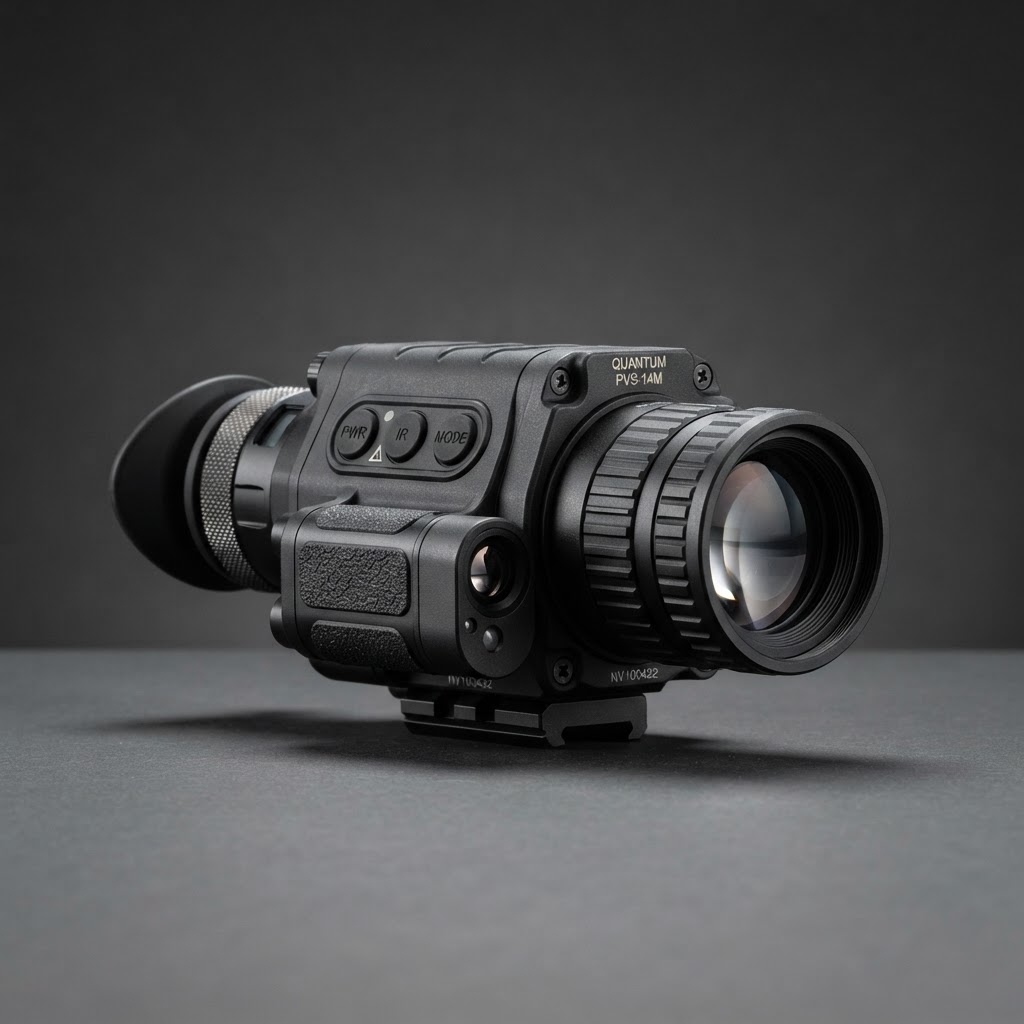
- Standalone monocular: Best for scanning and spotting. Most hunters start here.
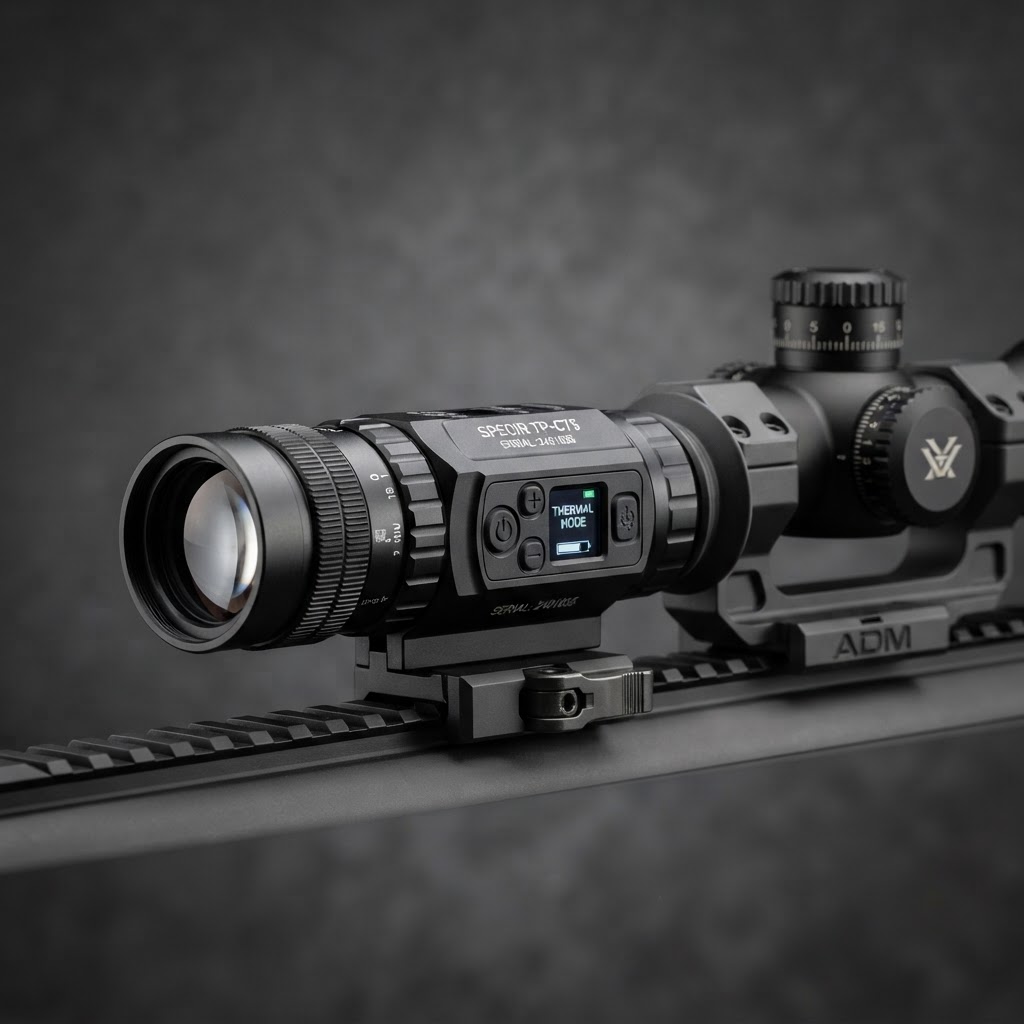
- Clip-on: Mounts in front of your day scope. Lets you use the same rifle day and night without re-zeroing.
- Dedicated thermal scope: Mounts behind your eye like a traditional scope. Best for hunters who exclusively hunt at night.
Budget Picks That Work
You don't need a $4,000 scope to get started. Several options under $2,000 offer excellent performance for predator hunting:
- The Pulsar Trail line offers 384 resolution with laser rangefinders starting around $1,800.
- AGM's Rattler series provides solid 256 performance under $1,200.
- For those willing to invest, the Pulsar Thermion 2 XP50 delivers 640 resolution with a 575-yard detection range.
Tips for Your First Thermal Hunt
- Scan slowly. Thermal reveals heat, but a fast scan will miss animals partially blocked by brush.
- Learn to read heat signatures. Coyotes, hogs, and deer all look different through thermal.
- Practice in daylight first. Get comfortable with the controls before your first night hunt.
- Carry extra batteries. Thermal scopes burn through batteries faster than you'd expect.
Thermal optics are an investment, but they're one of the most effective tools a predator hunter can own. Start with the resolution and detection range that match your typical engagement distance, and you'll be spotting coyotes in the dark before you know it.