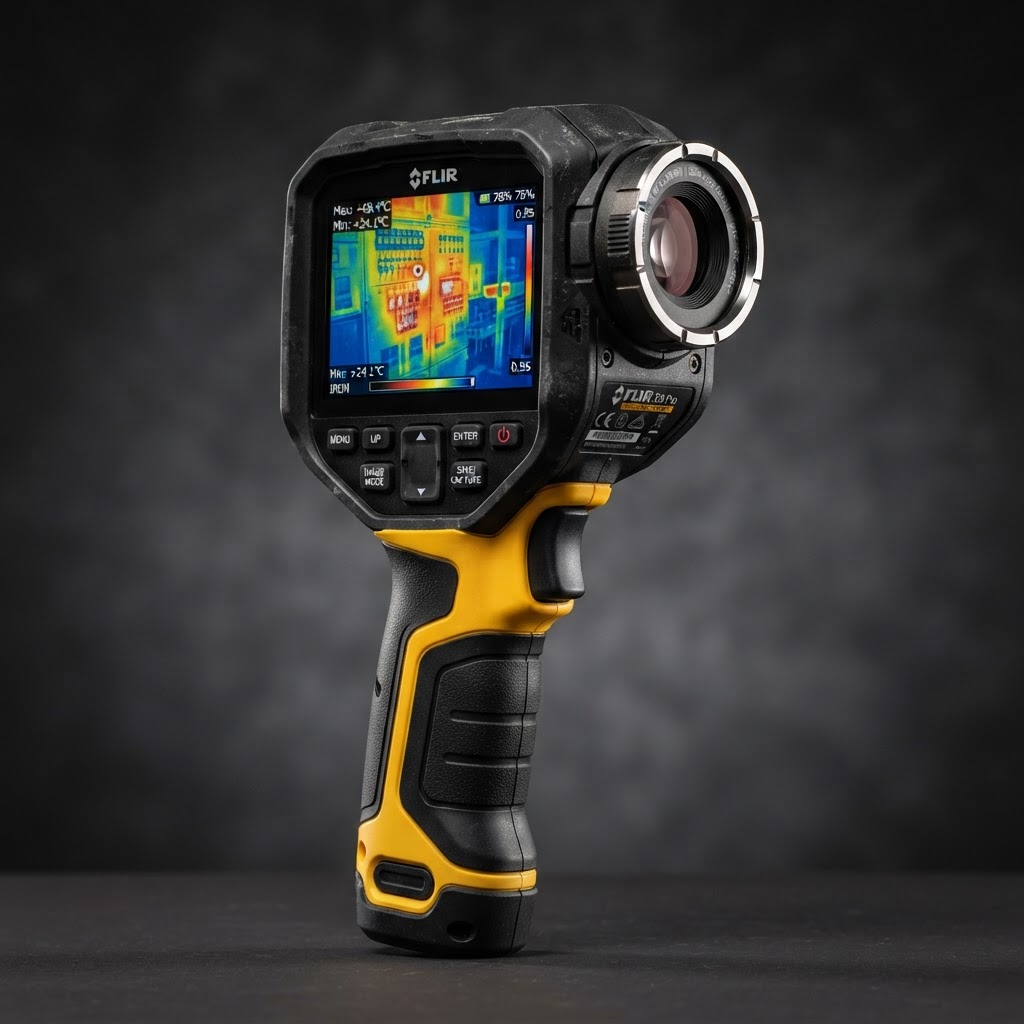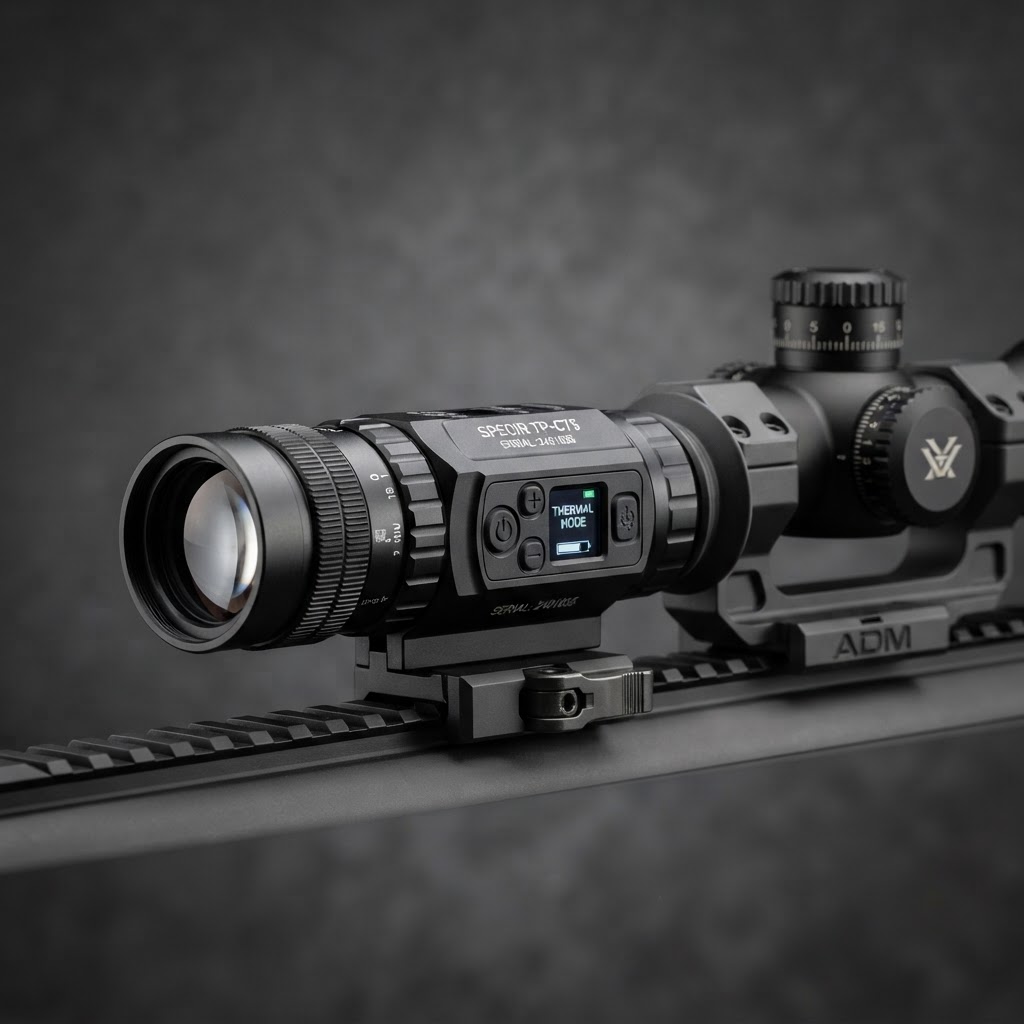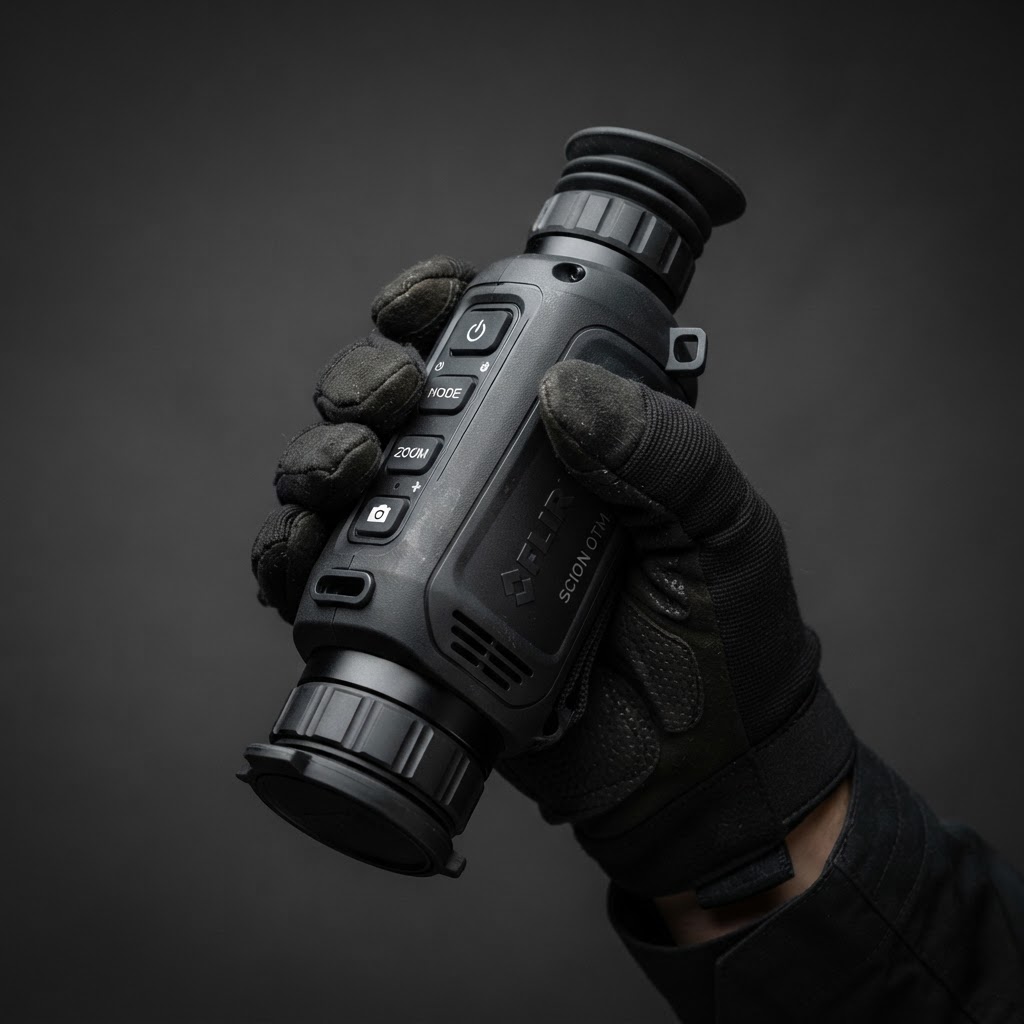
The one-line version
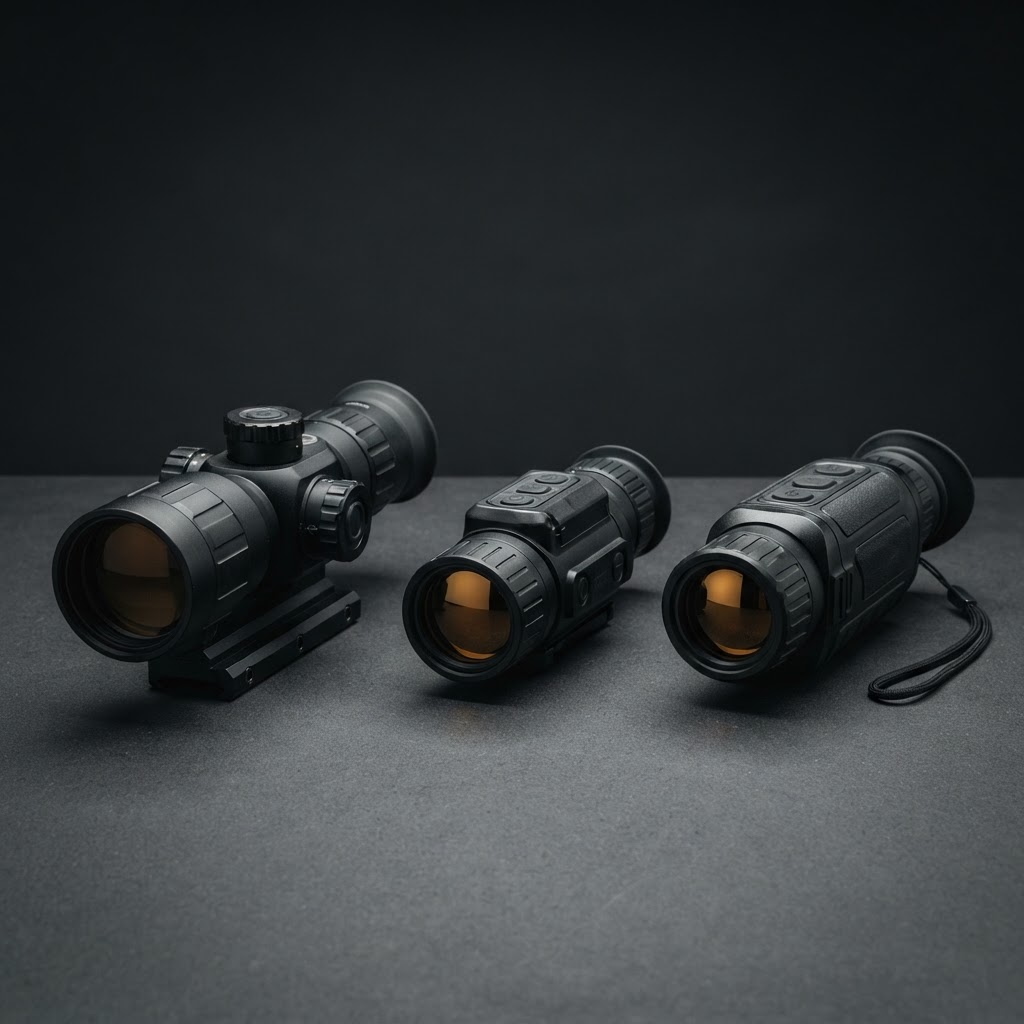
- Dedicated thermal scope — best zero retention and simplest field experience; lives on one rifle.
- Clip-on — mounts in front of your day scope; one thermal, many rifles.
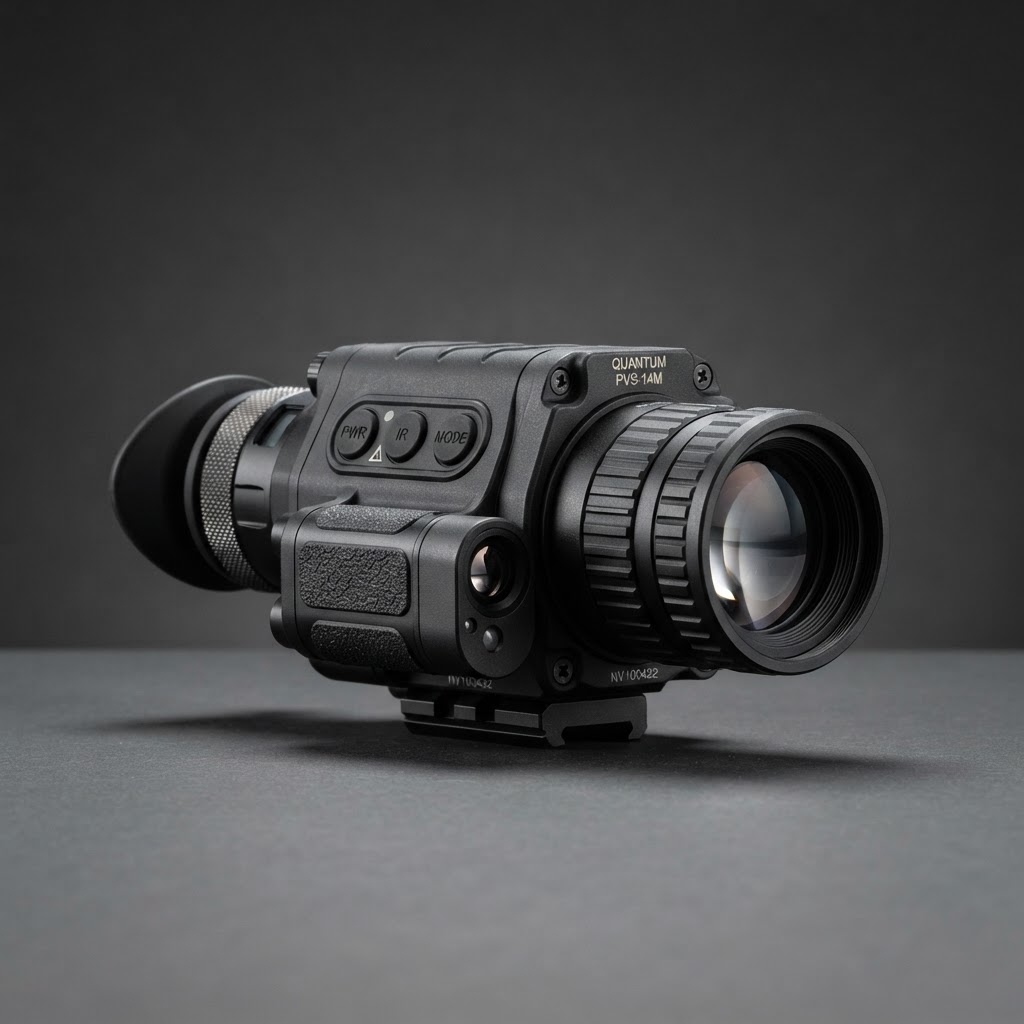
- Monocular — for scanning and recovery; not for shooting through.
Dedicated thermal scope
A purpose-built riflescope with its own reticle, mount, and zero. You get the cleanest shooting experience, a zero you can trust shot-to-shot, and the best recoil-rated designs. The trade-off: that rifle is now your thermal rifle. Best if you hunt at night frequently or have a dedicated hog/predator gun. (Think Pulsar Thermion 2, AGM Rattler, iRay RICO, N-Vision HALO-XRF.)
Clip-on thermal
A clip-on sits in front of your existing glass scope and feeds a thermal image through it, using your day scope's reticle. The big win is versatility: quick-detach mounts let you move it between rifles, and you keep your familiar day scope and its zero. Trade-offs: added weight and length up front, a slightly more complex setup, and you need a decent day scope behind it. Best for hunters who want one thermal across several rifles. (AGM Wasp, DNT HYDRA in clip-on mode, Nocpix clip-ons.)
Monocular
A handheld — or helmet/weapon-mountable — thermal you scan with. It's the tool for finding animals, planning a stalk, and recovering downed game; it's not for shooting through. Many hunters run a monocular to scan and a scope or clip-on to shoot. Compact options like the FLIR Breach, N-Vision NOX18, and iRay RICO Micro even double as weapon sights.
How to decide
- One night-hunting rifle, want it simple → dedicated scope.
- Several rifles, want one thermal to share → clip-on.
- Mostly scanning and recovery, maybe a quick shot → monocular.
- Want all three from one box → a 3-in-1 like the DNT HYDRA.